What’s the Difference Between Drains and Sewers? A Homeowner’s Guide
Understanding the difference between drains and sewers is essential for homeowners. Both play critical roles in your home’s plumbing system, yet they serve distinct purposes. This blog will demystify drains and sewers, explain how they work, and provide maintenance tips to keep your system running smoothly.
What Are Drains and Sewers?
The Basics of Drains
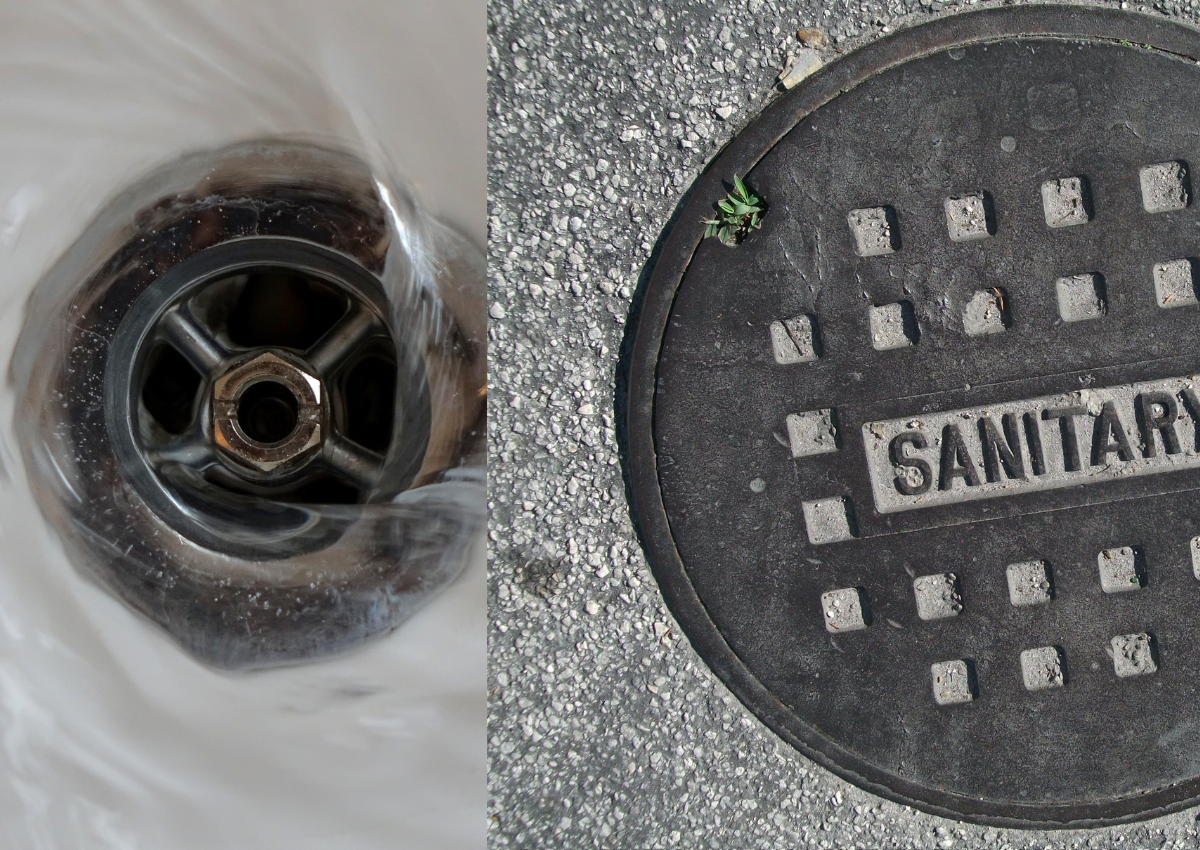
A drain is the entry point for wastewater leaving your home. Found in sinks, bathtubs, showers, and toilets, drains guide wastewater into the home’s plumbing system. Each drain is connected to a network of pipes that move water to a larger pipe, known as the sewer line.
Key characteristics of drains:
- Located inside your home.
- Transport wastewater from specific fixtures (sinks, tubs, etc.).
- Prone to clogs from debris like food, grease, hair, and soap scum.
The Role of Sewers
Sewers are the underground pipes responsible for transporting wastewater from your home to the municipal sewer system or septic tank. Unlike drains, which handle water from individual fixtures, sewers manage all the wastewater from your entire property.
Key characteristics of sewers:
- Located outside your home.
- Collect and transport wastewater from multiple drains.
- Larger in size and less prone to clogs than drains, but blockages can still occur.
Common Issues with Drains and Sewers
Drain Problems
Drains are more likely to experience blockages because of the smaller pipes and the variety of materials they encounter. Here are the most common issues:
- Clogs: Caused by food scraps, grease, hair, soap, and other debris.
- Slow Draining: A precursor to clogs, indicating buildup in the pipes.
- Foul Odors: Often due to trapped debris or bacteria in the pipes.
Sewer Line Issues
While less frequent, sewer line problems can be more severe and costly. Common issues include:
- Tree Root Intrusion: Roots can penetrate older sewer lines, causing blockages and leaks.
- Sewer Backups: Occur when the main sewer line is clogged, forcing wastewater back into the home.
- Pipe Damage: Due to age, ground shifting, or corrosion.
How to Maintain Your Drains and Sewers
Proper maintenance of both drains and sewers is essential for preventing costly repairs and ensuring your plumbing system operates efficiently. Here are some best practices for maintaining each:
Drain Maintenance Tips
- Use Drain Covers: Prevent debris like hair and food scraps from entering the pipes.
- Avoid Pouring Grease: Dispose of cooking oil and grease in the trash, not down the drain.
- Regular Cleaning: Use a natural drain cleaner, such as baking soda and vinegar, to prevent buildup.
- Be Mindful of What You Flush: Only flush toilet paper and human waste—never wipes, feminine products, or other debris.
Sewer Line Maintenance Tips
- Schedule Regular Inspections: Professional plumbers can use cameras to check for potential issues.
- Address Tree Roots: Remove or relocate trees near sewer lines, or install root barriers.
- Install a Sewer Cleanout: A cleanout provides easy access for clearing blockages and performing inspections.
- Upgrade Old Pipes: Replace aging sewer lines to prevent collapses and leaks.
Signs of Drain and Sewer Problems
When to Call a Plumber for Drain Issues
If you notice any of the following signs, it’s time to call a professional:
- Water pooling in sinks or tubs.
- Gurgling sounds coming from the drain.
- Unpleasant odors near drains.
Indicators of Sewer Line Trouble
Sewer issues often require immediate attention. Watch for these warning signs:
- Multiple slow drains in your home.
- Sewage backups in sinks, tubs, or toilets.
- Lush patches of grass above your sewer line, indicating a leak.
Drain and Sewer Cleaning Services
Why Professional Cleaning Matters
Professional drain and sewer cleaning ensures thorough removal of blockages and buildup, using advanced tools like hydro-jetting and augers. While DIY solutions can help with minor clogs, professional services address the root cause of the problem and provide long-term solutions.
Benefits of Regular Cleaning
- Prevents costly repairs by addressing issues early.
- Improves the efficiency of your plumbing system.
- Reduces the likelihood of unpleasant odors and backups.
Learn more about our sewer cleaning or drain cleaning services
Choose Right Now Heating, Air Conditioning and Plumbing for Drain and Sewer Solutions
At Right Now Heating and Air Conditioning, we understand the importance of maintaining your plumbing system. Our experienced team offers comprehensive drain and sewer cleaning services to keep your home running smoothly. Whether it’s a stubborn drain clog or a major sewer line issue, we have the tools and expertise to get the job done right.
Contact Us Today
Don’t wait for a small issue to become a big problem. Call Right Now Heating and Air Conditioning for professional drain and sewer services. Our team is ready to help you maintain a healthy, efficient plumbing system. Call 208-252-9533 or schedule online now!
FAQ’s
Q1: What is the main difference between a drain and a sewer?
Drains transport wastewater from individual fixtures inside your home to your plumbing system, while sewers are larger pipes outside your home that carry all wastewater to a municipal system or septic tank.
Q2: How can I prevent drain clogs?
Use drain covers, avoid pouring grease or oil down the sink, and regularly clean drains with natural solutions like baking soda and vinegar.
Q3: What are the signs of a clogged sewer line?
Common signs include multiple slow drains, sewage backups in your sinks or toilets, and unusually lush patches of grass in your yard.
Q4: How often should I have my sewer lines inspected?
It’s recommended to schedule professional sewer inspections every 1-2 years or immediately if you notice signs of a problem.
Q5: Can tree roots damage my sewer line?
Yes, tree roots can penetrate sewer pipes, especially older lines, causing blockages and leaks. Regular maintenance and inspections can help prevent this issue.
Q6: When should I call a professional plumber for drain or sewer problems?
Call a professional if you experience persistent clogs, sewage backups, slow drains throughout your home, or notice foul odors near your drains or in your yard.