Swamp Coolers vs. Air Conditioners: What’s Best for Dry Climates Like Idaho, Washington, and Oregon?
If you live in a dry region like Boise, Pocatello, Twin Falls, Tri-Cities, or Hermiston, you know how important it is to keep your home or business cool during the summer. But when it comes to choosing between a swamp cooler and a traditional air conditioner, the decision isn’t always clear.
This guide will walk you through the pros and cons of each system, help you understand when it’s time to switch, and provide cost comparisons tailored to your region.
What Is a Swamp Cooler?
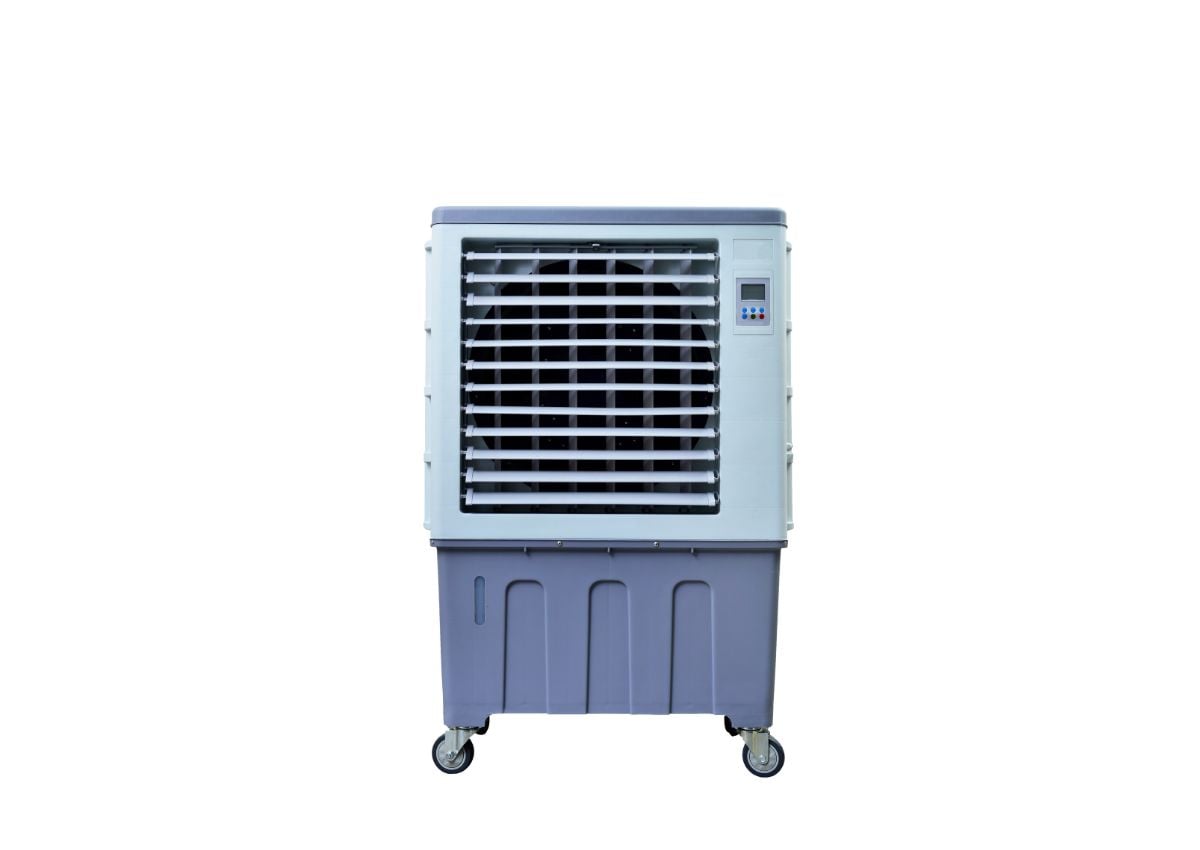
Also known as evaporative coolers, swamp coolers use the natural process of evaporation to cool the air. They pull in hot, dry air and pass it through water-soaked pads. As the water evaporates, it cools the air and adds moisture before circulating it indoors.
Why the Name “Swamp” Cooler?
The term comes from the humid air they produce, similar to the feel of a swamp. While that might sound unpleasant, in dry climates like eastern Oregon or southern Idaho, the added humidity can actually be a benefit.
Swamp Coolers vs. Air Conditioners: Key Differences
| Feature | Swamp Cooler | Air Conditioner |
|---|---|---|
| Cooling Method | Evaporation | Refrigeration |
| Humidity | Adds moisture | Removes moisture |
| Best Climate | Dry | Any |
| Energy Use | Low | Higher |
| Windows | Must be open | Must be closed |
| Air Filtration | Minimal | Advanced filters |
Swamp Coolers
- Pros:
- Lower energy use
- Eco-friendly (no refrigerants)
- Adds moisture to dry air
- Cons:
- Less effective in humid weather
- Requires open windows
- Limited air filtration
Air Conditioners
- Pros:
- Consistent cooling in all climates
- Better air filtration
- Works with closed windows
- Cons:
- Higher energy use
- More expensive to install and operate
Why Homeowners Are Switching to AC in the Northwest
1. Changing Weather Patterns
Even traditionally dry areas like Boise, Hermiston, and Tri-Cities are experiencing rising humidity and longer heatwaves. Swamp coolers lose efficiency in these conditions, while AC systems remain reliable.
2. Comfort and Control
AC systems offer precise temperature control and consistent cooling, especially important during 100°F+ days in Pocatello, Ontario, or Walla Walla.
3. Health and Air Quality
Swamp coolers can introduce mold and allergens if not maintained properly. AC systems filter out dust, pollen, and pollutants, ideal for allergy sufferers in rural and agricultural areas like Fruitland or Umatilla County.
4. Home Value and Modernization
Installing central AC can increase your home’s resale value, especially in growing markets like Twin Falls, Chubbuck, and West Richland.
Cost Comparison: Swamp Cooler vs. AC
Installation Costs
| City/Area | Swamp Cooler | Central AC (incl. ductwork & electrical) |
|---|---|---|
| Boise, ID & Surrounding | $1,200–$2,000 | $5,000–$8,000 |
| Tri-Cities, WA | $1,500–$2,500 | $6,000–$9,000 |
| Pocatello/Chubbuck, ID | $1,300–$2,200 | $5,500–$8,500 |
| Twin Falls, ID | $1,400–$2,300 | $5,800–$9,000 |
| Hermiston/Umatilla, OR | $1,500–$2,400 | $6,000–$9,200 |
Prices vary based on home size, existing ductwork, and electrical needs. Always get a professional estimate.
Monthly Operating Costs
- Swamp Cooler: $15–$30/month
- Air Conditioner: $50–$150/month
Long-Term Value
While AC systems cost more upfront, they:
- Last longer (15–20 years)
- Require less frequent maintenance
- Improve indoor air quality
- Increase home value
Common Questions
Does a portable swamp cooler use a lot of electricity?
No. They’re energy-efficient and use up to 90% less electricity than portable AC units.
Is a swamp cooler as good as AC?
In dry climates, they can be effective but they lack the precision, air quality, and humidity control of AC systems.
Are swamp coolers indoor or outdoor?
Both. Window-mounted and portable units are used indoors, while roof-mounted units are installed outside and ducted into the home.
Do swamp coolers work in 100-degree weather?
Yes, but their effectiveness drops significantly if humidity rises. In triple-digit heat, AC systems provide more reliable comfort.
Portable Evaporative Coolers: A Quick Note
These are great for:
- Garages, patios, and workshops
- Temporary cooling
- Energy-conscious users
But they’re not ideal for whole-home cooling and still require ventilation.
Installation Considerations
Ductwork & Electrical
Switching to AC may require:
- New ductwork
- Electrical panel upgrades
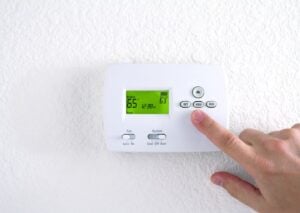
- Thermostat installation
DIY vs. Professional
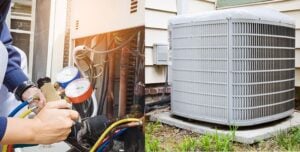
Swamp coolers can be DIY-installed, but AC systems should always be installed by licensed professionals to ensure safety, efficiency, and code compliance.
Local Codes & Climate
In cities like Boise, Pasco, or Hermiston, local building codes may require permits or energy efficiency standards. Always check with your local municipality.
Final Thoughts: Which Cooling System Is Right for You?
If you’re in a dry climate and looking for a budget-friendly, eco-conscious solution, a swamp cooler might still work, especially for smaller spaces or seasonal use.
But if you want year-round comfort, better air quality, and long-term value, switching to an air conditioner is a smart investment.
Ready to Make the Switch?
At Right Now Heating and Air Conditioning, we help homeowners and small businesses in Boise, Meridian, Nampa, Pocatello, Twin Falls, Idaho Falls, Tri-Cities, Hermiston, and surrounding areas upgrade their cooling systems with expert guidance and professional installation.
Contact us today for a free consultation and estimate at 208-585-5868 or request a quote now.
Let’s keep your home cool, comfortable, and efficient – right now.