What to Do When You Have Frozen Pipes : 6 Vital Tips for Homeowners
Winter is here, and with it comes a host of potential home maintenance challenges, one of the most common being frozen pipes. When temperatures drop significantly, water inside your pipes can freeze, causing your pipes to burst and leading to costly water damage. As a homeowner, it’s crucial to understand the risks associated with frozen pipes and how to take preventative measures to avoid them.
At Right Now Heating, Air, and Plumbing, we’re here to help you safeguard your home against winter’s worst, including frozen pipes. In this blog, we’ll walk you through why pipes freeze, how to prevent it, and what to do if it happens. By understanding these key factors, you can protect your plumbing system and avoid expensive repairs.
Why Do Pipes Freeze?
Pipes freeze when water inside them drops below 32°F (0°C) and turns into ice. Water expands as it freezes, which can cause pipes to crack or rupture. Frozen pipes are a significant problem because the water pressure builds up behind the blockage, and when the ice thaws, it can flood your home, damaging walls, ceilings, floors, and personal belongings.
The most vulnerable pipes are those in unheated areas, such as attics, basements, garages, and exterior walls. These areas tend to be poorly insulated, making it easier for pipes to freeze.
How to Prevent Frozen Pipes
Preventing frozen pipes is the best way to protect your home and avoid costly repairs. Here are some simple steps you can take to keep your plumbing system safe during the colder months:
1. Insulate Vulnerable Pipes
One of the most effective ways to prevent frozen pipes is by adding insulation to pipes in unheated areas. You can use foam pipe insulation sleeves, heat tape, or insulating materials to wrap exposed pipes. Focus on pipes located in attics, basements, garages, and under cabinets.
2. Let Faucets Drip
In extremely cold weather, letting faucets drip slightly can help prevent freezing. When you allow a small flow of water to move through the pipes, it can reduce the risk of ice forming inside. It’s especially important for pipes located along exterior walls.
3. Seal Cracks and Gaps
Check around windows, doors, and any openings where pipes enter the home. Seal cracks and gaps with caulk or foam to keep cold air from coming in. Even small openings can lead to enough cold air entering that it causes pipes to freeze.
4. Keep the Heat On
If you plan to be away from home during winter, make sure to keep the thermostat set to at least 55°F (13°C), even if you’re on vacation. This will help keep your home warm enough to prevent pipes from freezing, especially in unoccupied rooms.
5. Open Cabinet Doors
If you have pipes running through cabinets (like those under the kitchen or bathroom sinks), open the cabinet doors during extremely cold weather. This allows warm air to circulate around the pipes, reducing the risk of freezing.
6. Add Extra Insulation
For extra protection, consider adding insulation to attics, basements, and crawl spaces. Insulating the areas around pipes helps maintain a more consistent temperature and prevents freezing.
How to Detect Frozen Pipes
The earlier you detect frozen pipes, the better your chances of avoiding major damage. Here’s what to look for:
1. No Water Flow
The most obvious sign of a frozen pipe is a faucet that suddenly stops working. If you turn on a faucet and no water comes out, it could mean a pipe has frozen, blocking the flow.
2. Strange Odors
In some cases, frozen pipes can cause water to back up, which might lead to strange or foul odors emanating from drains or faucets. If you notice odd smells along with low water pressure, it’s a sign that something is wrong with your plumbing.
3. Frost on the Pipe
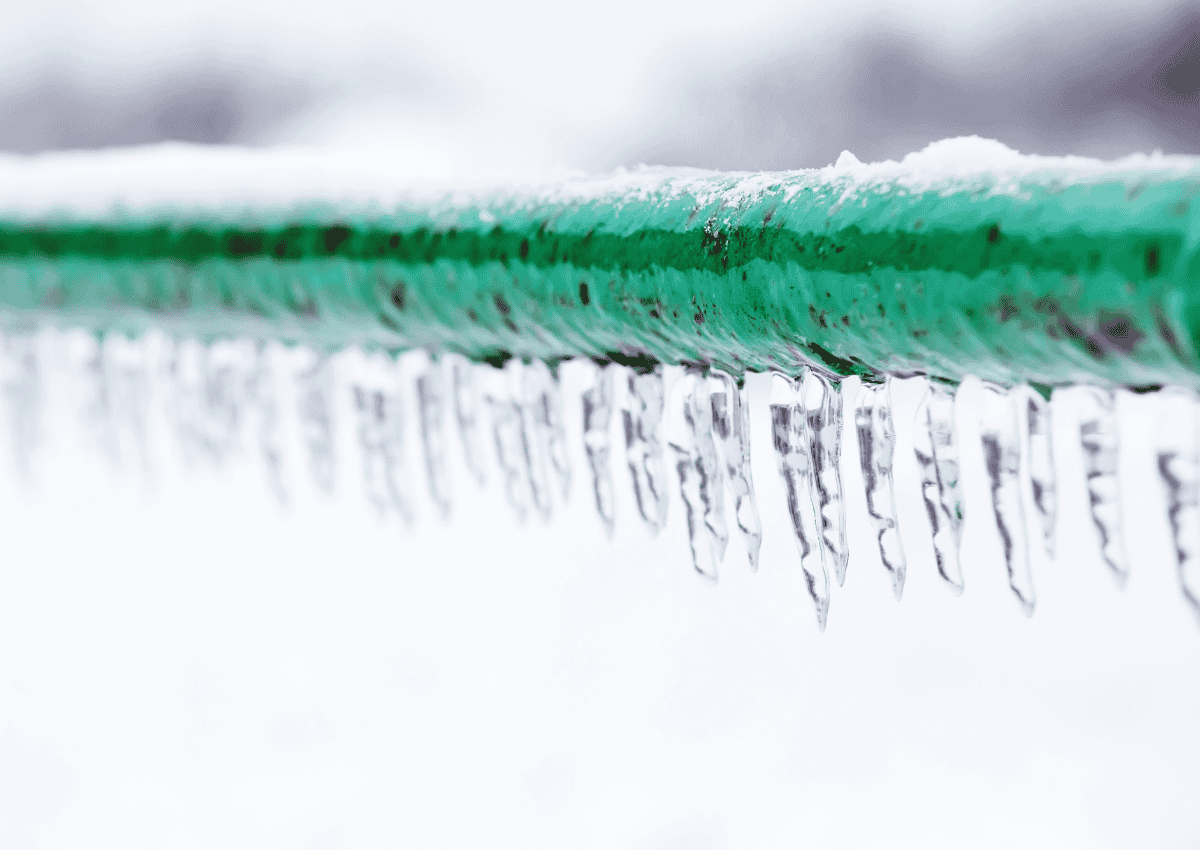
In some cases, you may be able to see frost or ice forming around a pipe. Look for condensation or visible ice on exposed pipes, particularly those in unheated or poorly insulated areas.
4. Unusual Sounds
Sometimes, frozen pipes can cause unusual sounds when you try to use your water. You might hear gurgling, rattling, or a pressure build-up as water tries to pass through the frozen section of the pipe.
What to Do if Your Pipes Freeze
If you suspect your pipes have frozen, it’s crucial to act quickly to prevent them from bursting. Here are the steps you should take immediately:
1. Turn Off the Water Supply
The first thing you should do is turn off the main water supply to your home. This will prevent any further damage in case the pipe bursts when it thaws. You can locate the main shut-off valve typically in the basement or near your water meter.
2. Locate the Frozen Section
Next, try to locate the section of pipe that’s frozen. This may be challenging if the pipe is hidden in a wall or underground. Start by checking areas like basements, attics, and under sinks.
3. Thaw the Pipe Carefully
Once you’ve located the frozen section, it’s time to thaw the pipe. You can use a hair dryer, heat lamp, or space heater to gently warm the pipe. Avoid using an open flame, such as a blowtorch, as it can damage the pipe or start a fire. Always heat the pipe from the section closest to the faucet and work your way toward the frozen area.
4. Open the Faucet
As you thaw the pipe, turn on the faucet that the pipe supplies. This will allow water to flow through the pipe as it begins to thaw, helping to prevent further freezing.
5. Call a Professional Plumber
If you’re unable to locate or thaw the frozen pipe, or if you suspect the pipe has already burst, it’s best to call a professional plumber. A plumber has the tools and expertise to safely thaw frozen pipes and repair any damage that has occurred.
How Right Now Heating, Air, and Plumbing Can Help
If you find yourself dealing with frozen pipes or are worried about preventing them, Right Now Heating, Air, and Plumbing is here to help. We provide expert plumbing services, including pipe insulation, repair, and thawing, ensuring your home stays protected during the cold winter months.
Our team is trained to detect and address plumbing issues quickly, preventing further damage and offering solutions to keep your pipes safe. If you’re experiencing low water pressure or any signs of frozen pipes, don’t wait until it’s too late. Contact Right Now Heating, Air, and Plumbing for fast, reliable plumbing services that you can count on.
Frozen pipes are a serious winter risk that every homeowner should take seriously. By understanding why pipes freeze and implementing preventive measures, you can avoid costly water damage and keep your plumbing system running smoothly.
Remember, if you suspect you have a frozen pipe, act quickly by turning off your water supply, locating the frozen section, and carefully thawing the pipe. If you need assistance or expert help, don’t hesitate to reach out to Right Now Heating, Air, and Plumbing. Our professional team is ready to help you prevent and resolve plumbing issues, ensuring your home stays safe, warm, and dry all winter long.
Stay proactive and protect your home today! For more information, visit our Frozen Pipes Page or Contact Us for assistance.
FAQ’s:
1. What causes pipes to freeze in the winter?
Pipes freeze when the water inside them reaches freezing temperatures, typically below 32°F (0°C). When water freezes, it expands, causing pressure to build up in the pipe. If the pressure is too great, the pipe may crack or burst. Pipes in unheated areas like basements, attics, and exterior walls are most vulnerable.
2. How can I prevent my pipes from freezing during the winter?
To prevent frozen pipes, you should:
- Insulate pipes in unheated areas with foam pipe insulation or heat tape.
- Let faucets drip slightly in freezing weather to keep water moving.
- Seal cracks and gaps around windows, doors, and pipe entrances.
- Keep the thermostat set at 55°F (13°C) or higher, especially when away from home.
- Open cabinet doors to allow warm air to circulate around pipes.
3. How do I know if my pipes are frozen?
Signs of frozen pipes include:
- No water flow from faucets.
- Frost or condensation on exposed pipes.
- Unusual gurgling or rattling sounds.
- Strange odors from drains, indicating a backup.
4. What should I do if my pipes freeze?
If your pipes freeze:
- Turn off the main water supply to prevent flooding.
- Locate the frozen pipe and use a hair dryer or space heater to thaw it.
- Open faucets to help water flow as the pipe thaws.
- If you’re unable to thaw the pipe or suspect a burst, call a professional plumber immediately.
5. Can a frozen pipe burst?
Yes, a frozen pipe can burst if the water inside the pipe expands and causes too much pressure. The pipe may crack or rupture when the ice thaws, leading to flooding and significant water damage. That’s why it’s crucial to prevent frozen pipes and address them quickly if they occur.
6. Should I call a plumber if I suspect a frozen pipe?
If you suspect a frozen pipe or if you’re unable to safely thaw it, it’s best to call a professional plumber. They have the tools and expertise to handle the situation without causing further damage to your plumbing system. A plumber can also inspect your pipes for signs of damage or leaks.