Ductless HVAC Systems: Benefits and Applications in Modern Buildings
Introduction to Ductless HVAC Systems
The heating and cooling industry is seeing a shift toward more energy-efficient and flexible solutions, with ductless HVAC systems leading the charge. Also known as mini-split systems, these units are designed to provide targeted comfort without the need for traditional ductwork. This innovation has made ductless systems a popular choice for modern buildings, whether for residential, commercial, or mixed-use spaces.
This blog explores the benefits of ductless HVAC systems, their growing popularity, and their applications across various building types.
What Are Ductless HVAC Systems?
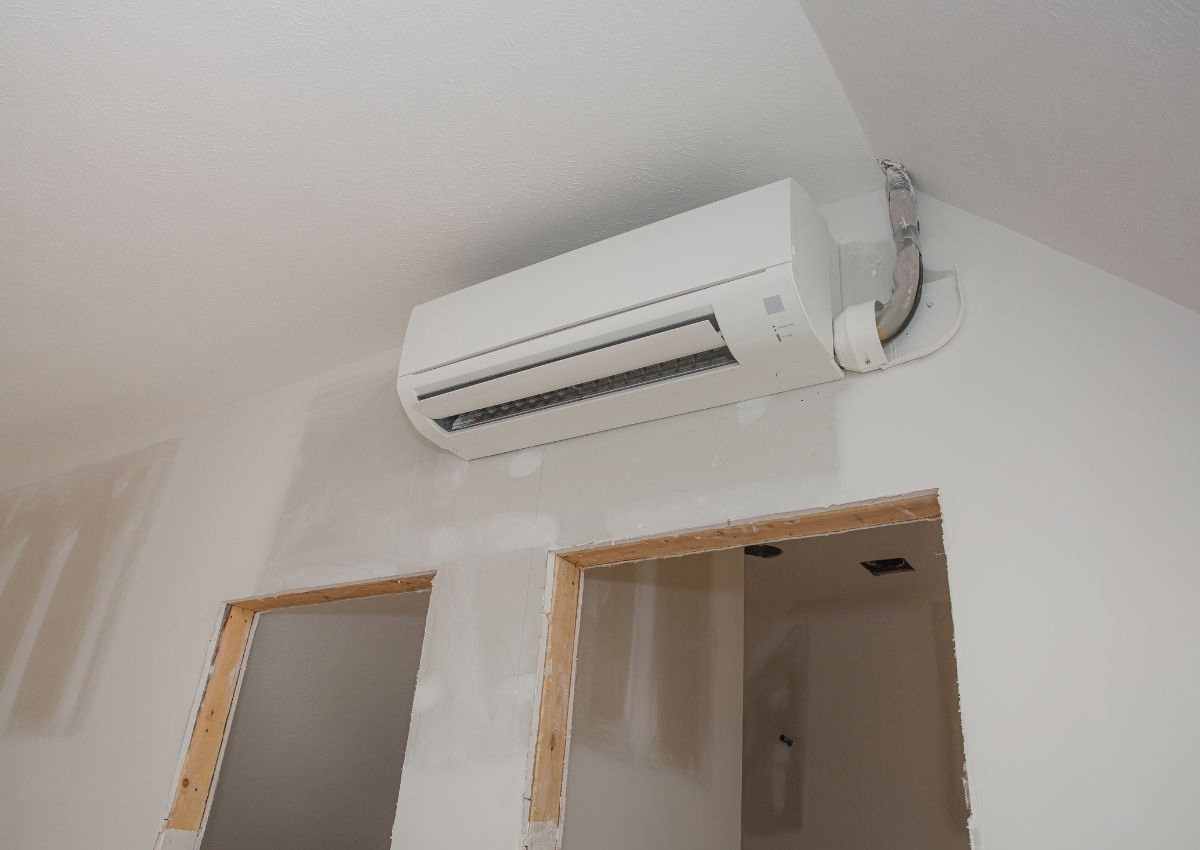
Ductless HVAC systems consist of two primary components:
- Indoor Unit: Mounted on a wall or ceiling, this unit delivers conditioned air directly into the room.
- Outdoor Unit: Located outside, this houses the compressor and condenser, connected to the indoor unit through a small conduit.
Unlike traditional systems, ductless HVAC doesn’t rely on an extensive network of ducts. This streamlined design reduces energy loss and offers flexibility in placement, making it a versatile option for buildings with unique layouts or space constraints.
The Benefits of Ductless HVAC Systems
Improved Energy Efficiency
Traditional HVAC systems lose significant energy through ductwork, with up to 30% energy loss due to leaks or poor insulation. Ductless systems eliminate this inefficiency by delivering air directly to the target space.
Many ductless systems are ENERGY STAR® certified and equipped with inverter technology, which adjusts power usage based on heating or cooling demand. This ensures consistent comfort while minimizing energy consumption.
Cost Savings
Although the initial installation cost may seem high, ductless HVAC systems often result in lower utility bills. By reducing energy loss and using electricity efficiently, homeowners and businesses can save significantly on monthly expenses.
Additionally, ductless systems qualify for federal tax credits and rebates in some regions. Check out Idaho Power’s Rebates and Incentives page to see how you can save on a ductless system installation.
Zoned Temperature Control
One of the standout features of ductless systems is the ability to create zones. Each indoor unit operates independently, allowing you to customize the temperature in different rooms or areas. This is ideal for families with varying comfort preferences or for businesses with diverse workspace needs.
Enhanced Indoor Air Quality
Unlike traditional HVAC systems that circulate air through dusty ductwork, ductless systems deliver clean air directly into the space. Many models include multi-stage filtration to capture allergens, dust, and other pollutants, improving overall air quality.
If indoor air quality is a concern, consider pairing your ductless system with our Air Filtration Services for a comprehensive solution.
Flexibility in Design
Ductless systems are available in various configurations, including wall-mounted, ceiling-mounted, and floor-mounted units. This flexibility allows them to blend seamlessly into any building design. They’re also perfect for spaces where installing ductwork would be impractical or too invasive.
Ease of Installation
Installing a ducted HVAC system can take days and involve significant disruption to walls and ceilings. Ductless systems, on the other hand, require only a small hole for the conduit, making installation quick and non-invasive. Most installations are completed within a single day.
Applications of Ductless HVAC Systems
Residential Applications
- Historic Homes: Retrofitting ductwork in older homes can damage their architectural integrity. Ductless systems provide a modern solution while preserving the home’s character.
- Home Additions: Whether it’s a new sunroom, garage, or guest room, ductless HVAC systems eliminate the need to extend existing ductwork.
- Energy-Conscious Homes: For homeowners aiming to reduce their carbon footprint, ductless systems are an eco-friendly option.
Commercial Applications
- Office Spaces: Ductless systems provide customized comfort for different zones, such as meeting rooms, open workspaces, and break rooms.
- Retail Stores: Maintain optimal conditions in customer-facing areas without wasting energy on storage rooms.
- Restaurants: Ductless systems allow separate temperature controls for kitchens and dining areas, ensuring comfort for staff and patrons.
Multi-Unit Properties
Apartments, condominiums, and dormitories benefit significantly from ductless systems. Individual units can operate independently, offering tenants personalized comfort without relying on a centralized system.
Specialized Spaces
- Server Rooms: Ductless systems offer precise temperature control critical for equipment reliability.
- Studios and Workshops: Maintain comfort in spaces that might otherwise be hard to heat or cool effectively.
Why Are Ductless Systems Becoming So Popular?
The growing adoption of ductless HVAC systems can be attributed to their ability to adapt to modern energy efficiency standards and diverse building needs. They align perfectly with the push for greener, more sustainable living and working environments.
For example, in areas like Idaho Falls, where seasonal temperature changes are extreme, ductless systems provide reliable comfort while minimizing energy costs.
How to Maintain Your Ductless HVAC System
Proper maintenance is crucial to keep your ductless HVAC system operating at peak performance. Here are some tips:
Clean or Replace Filters Regularly: Dirty filters reduce efficiency and compromise air quality.
Inspect the Outdoor Unit: Keep the area around the unit free of debris and foliage.
Schedule Professional Maintenance: Annual tune-ups ensure your system runs efficiently and extends its lifespan. Check out our HVAC Maintenance Services for more details.
Frequently Asked Questions About Ductless HVAC Systems
1. Can a ductless system heat and cool an entire house?
Yes, ductless systems can be scaled to serve an entire home by installing multiple indoor units, each covering specific zones.
2. Are ductless systems more expensive to install?
While the upfront cost is higher, ductless systems often have lower operating costs due to their energy efficiency.
3. Do ductless systems work in cold climates?
Yes, many ductless systems are designed to function efficiently even in sub-zero temperatures.
4. Are ductless systems noisy?
No, ductless systems are quieter than traditional HVAC systems, with indoor units producing minimal sound.
5. Can I add a ductless system to my existing HVAC setup?
Absolutely! Ductless systems are a great addition to existing systems, providing supplemental heating or cooling for specific areas.
6. How long do ductless systems last?
With proper care, ductless systems can last 15–20 years or more.
Experience the Benefits of Ductless HVAC with Right Now Heating and Air
Ductless HVAC systems represent a modern, energy-efficient solution for both residential and commercial buildings. From cost savings to enhanced comfort, their benefits are undeniable. If you’re considering upgrading your HVAC system or adding a ductless unit to your space, Right Now Heating and Air is here to help.
Contact us today to learn more about our ductless HVAC installation services or schedule a consultation with our experts!
Ductless HVAC systems are transforming how we heat and cool modern buildings. Their efficiency, versatility, and ease of use make them an ideal choice for homeowners and businesses alike. Whether you’re upgrading an old system or designing a new space, ductless solutions offer unmatched comfort and energy savings. Trust Right Now Heating and Air to guide you through the process and ensure your home or business stays comfortable year-round. Call 208-252-9533 or book online now and experience the ductless difference.