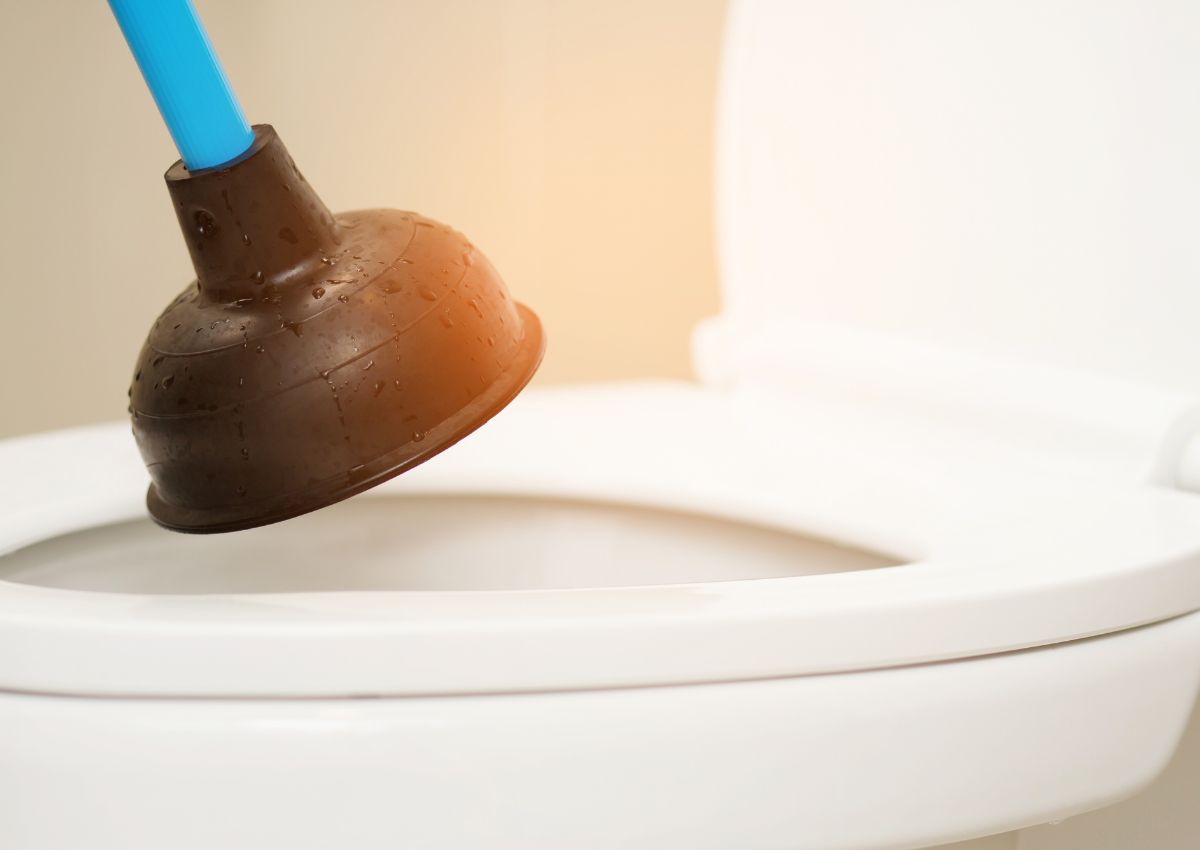
Clogged toilets are more than just a nuisance; they can lead to significant disruptions and even damage if not handled properly. While some clogs can be fixed with a plunger, others need the expertise of a professional plumber. Knowing when to call a plumber can save you time, money, and the stress of dealing with a potentially messy situation. Here’s how to determine when it’s time to make that call.
Frequent Clogs
If your toilet is clogging more often than it should, there might be a deeper issue within your plumbing system. Regularly recurring clogs suggest that there may be an obstruction or build-up further down the drain, which needs professional attention to resolve effectively. Frequent clogs can be indicative of:
Aging Plumbing: Older pipes are more prone to corrosion and build-up, which can lead to frequent clogs. A plumber can inspect your plumbing system and recommend repairs or replacements to prevent future issues.
Tree Roots: Tree roots can invade your sewer lines, causing blockages that lead to frequent clogs. A plumber can use specialized equipment to detect and remove tree roots from your pipes.
Improper Flushing Habits: Flushing items that shouldn’t be flushed, such as wipes, sanitary products, or excessive toilet paper, can cause recurring clogs. A plumber can advise on proper flushing habits and remove any blockages caused by these items.
Persistent Slow Drain
When you flush the toilet and notice that the water is draining slowly, this is a sign of a potential blockage somewhere in the pipes. Slow draining might also indicate a problem with your sewer line, which requires specialized tools and skills to diagnose and fix. Schedule your drain cleaning with the Guys in the Pink Trucks today. Persistent slow draining can be a result of:
Partial Blockages: Even if water is still draining, a partial blockage can cause slow drainage and eventually lead to a complete clog. A plumber can identify and remove partial blockages before they become more serious.
Vent Pipe Issues: The vent pipe helps regulate air pressure in your plumbing system. If it becomes blocked, it can cause slow drainage and gurgling sounds. A plumber can clear the vent pipe to restore proper function.
Sewer Line Problems: Issues with your main sewer line, such as tree root intrusion or pipe damage, can cause slow drainage throughout your home. A plumber can use cameras and other diagnostic tools to locate and repair sewer line problems.
Overflowing Toilets
An overflowing toilet can quickly lead to water damage and unsanitary conditions in your home. If you can’t stop the overflow with a plunger, it’s essential to call a plumber immediately to prevent further damage and address the root cause. Overflowing toilets can result from:
Severe Blockages: A severe blockage can prevent water from flowing through the pipes, causing it to back up and overflow. A plumber can use professional-grade tools to clear the blockage and restore normal function.
Faulty Float Mechanism: The float mechanism controls the water level in the toilet tank. If it malfunctions, it can cause the toilet to overflow. A plumber can repair or replace the float mechanism to prevent future overflows.
Sewer Line Backups: If your main sewer line is blocked or damaged, it can cause multiple toilets and drains to overflow. A plumber can inspect your sewer line and take appropriate action to resolve the issue.
Unpleasant Odors
Bad smells emanating from your toilet can be a clear indication of a serious blockage or sewer line issue. These odors can also point to the presence of bacteria or mold, which can pose health risks to your household. Professional plumbers can safely identify and eliminate the source of these smells. Right Now Heating, Air Conditioning, and Plumbing also offers sewer cleaning services; call the professionals today and take back your family’s health. Unpleasant odors can be caused by:
Sewer Gas: If sewer gas is escaping from your plumbing system, it can create unpleasant odors and pose health risks. A plumber can identify and repair the source of the sewer gas leak.
Clogged Vent Pipes: Vent pipes allow sewer gas to escape outside. If they become clogged, the gas can be forced back into your home. A plumber can clear the vent pipes to eliminate the odors.
Bacterial Build-Up: Bacteria can build up in your pipes, causing foul smells. A plumber can clean and sanitize your plumbing system to remove bacteria and prevent future odors.
Dropped Something in the Toilet
Accidentally dropping items in the toilet, such as toys, toiletries, or even phones, is a common occurrence, especially in households with children. These objects can cause blockages that are difficult to remove without professional help. When you drop something in the toilet, it’s important to:
Avoid Flushing: Flushing the toilet can push the object further down the drain, making it more difficult to retrieve. Turn off the water supply and call a plumber for assistance.
Use Proper Tools: Plumbers have specialized tools, such as retrieval hooks and cameras, to locate and remove objects from your toilet without causing damage.
Prevent Future Incidents: Installing a toilet lock or teaching children about what shouldn’t be flushed can help prevent future blockages caused by dropped items.
Strange Noises
If you hear gurgling sounds from your toilet when it’s not in use, this could signal a blockage in the vent pipe or a problem with the sewer line. Such issues often require a professional plumber to resolve, as they can lead to more severe complications if left unaddressed. Strange noises can be caused by:
Air Trapped in Pipes: Gurgling sounds can indicate that air is trapped in your plumbing system, often due to a blockage. A plumber can identify and remove the blockage to restore proper function.
Water Hammer: Water hammer is a loud banging noise that occurs when water flow is suddenly stopped. It can be caused by loose pipes or high water pressure. A plumber can install water hammer arrestors or adjust your water pressure to eliminate the noise.
Sewer Line Blockages: Blockages in your sewer line can cause gurgling sounds in your toilet and other drains. A plumber can inspect your sewer line and remove any blockages to prevent further issues.
Ineffective DIY Solutions
Sometimes, no matter how hard you try with a plunger or a plumbing snake, the clog just won’t budge. When DIY fixes fail, it’s time to call in a professional who has the expertise and equipment to handle stubborn clogs. Read these Tips from Overall Plumbing about how to know it may be time for a new toilet in your home. Ineffective DIY solutions can be due to:
Inadequate Tools: Homeowners often lack the specialized tools needed to effectively remove stubborn clogs. Plumbers have access to high-quality equipment, such as hydro-jetting machines and drain cameras, to resolve clogs quickly and efficiently.
Lack of Experience: Without proper training, it’s easy to inadvertently cause more damage to your plumbing system while attempting DIY repairs. Plumbers have the experience and knowledge to diagnose and fix plumbing issues without causing further harm.
Persistent Issues: If a clog keeps returning despite your best efforts, there may be an underlying issue that requires professional attention. A plumber can conduct a thorough inspection to identify and address the root cause of the problem.
When to Call a Plumber for Other Toilet Issues
While clogs are the most common reason for calling a plumber, there are other toilet issues that may require professional attention. These include:
Leaks: If you notice water pooling around the base of your toilet or dripping from the tank, there may be a leak that needs to be repaired. Leaks can lead to water damage and higher water bills, so it’s important to address them promptly.
Constant Running: If your toilet continues to run after flushing, it can waste a significant amount of water. This issue is often caused by a faulty flapper or fill valve, which a plumber can replace.
Weak Flush: If your toilet has a weak or incomplete flush, it may be due to a problem with the flush valve or a blockage in the trap. A plumber can diagnose and fix the issue to ensure your toilet functions properly.
Loose or Wobbly Toilet: If your toilet feels loose or wobbles when you sit on it, it may need to be re-secured to the floor. A plumber can ensure that the toilet is properly anchored and stable.
Choosing the Right Plumber
When it comes to plumbing issues, choosing the right plumber is crucial. Here are some tips to help you select a reputable and reliable plumber:
Check Credentials: Ensure the plumber is licensed, insured, and bonded. This protects you in case of accidents or damage during the repair process.
Read Reviews: Look for reviews and testimonials from previous customers. Positive feedback can indicate a plumber’s reliability and quality of work.
Ask for References: Don’t hesitate to ask the plumber for references from past clients. Contact these references to learn about their experiences with the plumber.
Get Multiple Quotes: Obtain quotes from several plumbers to compare prices and services. This can help you find a plumber who offers fair pricing and quality work.
Inquire About Warranties: Ask if the plumber offers warranties on their work. A warranty can provide peace of mind that the repair will be done correctly and any issues will be addressed.
Preventative Maintenance Tips
To avoid the hassle and expense of frequent plumbing issues, consider implementing these preventative maintenance tips:
Regular Cleaning: Clean your toilet regularly to prevent build-up of minerals and bacteria. Use a toilet brush and mild cleaner to scrub the bowl and flush components.
Mindful Flushing: Only flush toilet paper and human waste. Avoid flushing items such as wipes, sanitary products, and paper towels, which can cause clogs.
Monitor Water Pressure: High water pressure can strain your plumbing system and cause leaks. Consider installing a pressure regulator to maintain a safe water pressure level.
Inspect for Leaks: Periodically check around the base of your toilet and the connections for any signs of leaks. Address any issues promptly to prevent water damage.
Schedule Professional Inspections: Have a professional plumber inspect your plumbing system annually. They can identify and address potential issues before they become major problems.
Why Choose Right Now Heating, Air Conditioning and Plumbing?
At Right Now Heating, Air Conditioning, and Plumbing, we understand how disruptive a clogged toilet can be. Our team of experienced plumbers is equipped with advanced tools and techniques to quickly diagnose and resolve any plumbing issues. Serving Boise, Eastern Idaho, Twin Falls, Idaho, and the Tri-Cities, Washington area, we offer prompt and reliable service to ensure your plumbing system runs smoothly. Here’s why you should choose us:
Experienced Professionals: Our plumbers have years of experience and are trained to handle a wide range of plumbing issues, from minor clogs to major sewer line repairs.
Advanced Equipment: We use state-of-the-art tools and technology to diagnose and fix plumbing problems efficiently and effectively.
Reliable Service: We pride ourselves on providing prompt and dependable service. When you call us, you can expect a timely response and a quick resolution to your plumbing issues.
Customer Satisfaction: Our goal is to ensure your complete satisfaction. We work hard to provide high-quality service and build lasting relationships with our customers.
Contact Us
Don’t let a clogged toilet disrupt your daily routine. Contact us at Right Now Heating, Air Conditioning, and Plumbing for dependable and professional plumbing services. We’re committed to keeping your home comfortable and your plumbing system in top shape.
Call us today at 208-600-1277 or book online to schedule an appointment!
FAQ Section
Q: How can I prevent my toilet from clogging? A: To prevent clogs, avoid flushing anything other than toilet paper and human waste. Items like wipes, feminine hygiene products, and paper towels can cause blockages.
Q: What should I do if my toilet overflows? A: First, turn off the water supply to the toilet to prevent more water from entering the bowl. Then, try using a plunger to clear the clog. If that doesn’t work, call a professional plumber.
Q: Can chemical drain cleaners damage my toilet? A: Yes, chemical drain cleaners can damage your toilet and pipes if used frequently or improperly. They can also be harmful to the environment. It’s best to use a plunger or call a plumber for persistent clogs.
Q: Why does my toilet keep getting clogged? A: Frequent clogs can be caused by a variety of issues, including flushing inappropriate items, a build-up of waste and paper, or a problem with your plumbing system. A professional plumber can diagnose and fix the underlying cause.
Q: How do I know if the clog is in my sewer line? A: Signs of a sewer line clog include multiple fixtures backing up at once, gurgling sounds from drains, and water backing up into other drains. If you suspect a sewer line issue, contact a plumber immediately.